




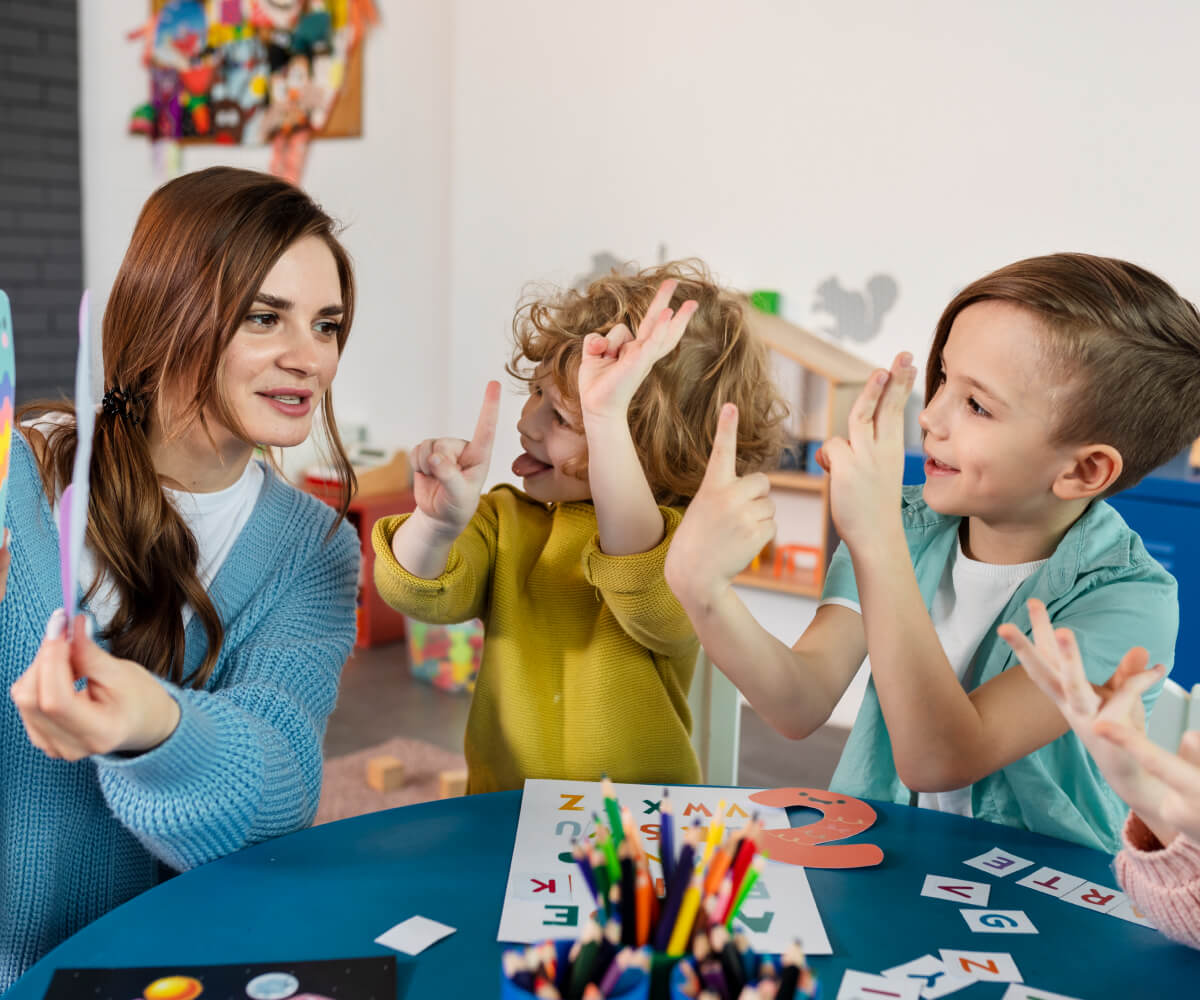
Parenting in the early years is filled with joy, curiosity, and many big decisions from choosing the right childcare to helping your child develop confidence and routines that last a lifetime. Whether you’re enrolling your child in kindergarten, juggling family life, or supporting their emotional growth, these practical tips and insights are here to guide you. 
1. Choosing the Right Childcare: What to Look For
Choosing the right childcare or kindergarten is one of the most important decisions you’ll make as a parent. It’s not just about the schedule it’s about finding a place where your child feels safe, nurtured, and excited to learn. 
Key things to consider:
- Environment & Atmosphere: Visit in person to see how educators interact with the children.
- Programs & Curriculum: Look for play-based learning and activities that support social and cognitive growth.
- Safety & Quality Standards: Centres that follow national guidelines often provide stronger foundations for learning.
- Feedback & Recommendations: Talk to other parents their experiences can provide valuable insights. 
Remember, what matters most is finding a centre that feels right for your child’s personality and your family’s needs. 
2. Supporting Social and Emotional Wellbeing
Helping your child build confidence, kindness, and resilience starts at home and extends into early childhood education settings. Supporting social and emotional development prepares them for friendships, cooperation, and problem solving. 
Ways to nurture wellbeing:
- Encourage emotion awareness: Help your child name feelings and express themselves.
- Model empathy and calm responses: Children learn by watching how adults handle emotions.
- Play together: Play builds confidence and communication skills. 
3. The Magic of Good Routines
Routines aren’t just about order they give children a sense of security and predictability. Good routines at home complement what your child is learning in kindergarten, helping them transition smoothly between activities and environments. 
Try these tips for great routines:
- Morning rhythm: Consistent wake-up, breakfast, and readiness tasks help start the day positively.
- Bedtime rituals: Calm activities like reading can improve sleep and mood.
- Between activities: Small, repeated rituals like hand-washing or packing bags teach responsibility and confidence. 
Routines create a predictable rhythm that helps children flourish with less stress and more independence. 
4. The Power of Play in Learning
Play isn’t just fun it’s the foundation of early childhood learning. Through play, children explore ideas, build language skills, solve problems, and develop imagination. 
Helpful play-based learning ideas:
- Creative play: Let them build, draw, or pretend it sparks thinking.
- Outdoor activities: Nature play boosts physical skills and curiosity.
- Social games: Playing with others teaches sharing, patience, and empathy. 
Encouraging play at home makes learning feel natural and joyful. 
5. Preparing for School & Transitions
Transitions whether starting kindergarten or moving up to school can feel overwhelming for both children and parents. Preparation helps ease anxiety and ensure success.
Ways to help your child feel ready:
- Talk about school together: Create excitement and answer questions honestly.
- Visit the classroom ahead of time: Familiarity reduces first-day stress.
- Practice independent skills: Simple tasks like packing their bag or putting on shoes build confidence. 
Playful preparation helps young learners feel ready and confident for their next big step. 
Final Thoughts
Supporting your child’s early years is about nurturing their confidence, curiosity, and wellbeing. From choosing the right childcare to encouraging routines and play-based learning, every little step helps shape a strong foundation for lifelong learning.